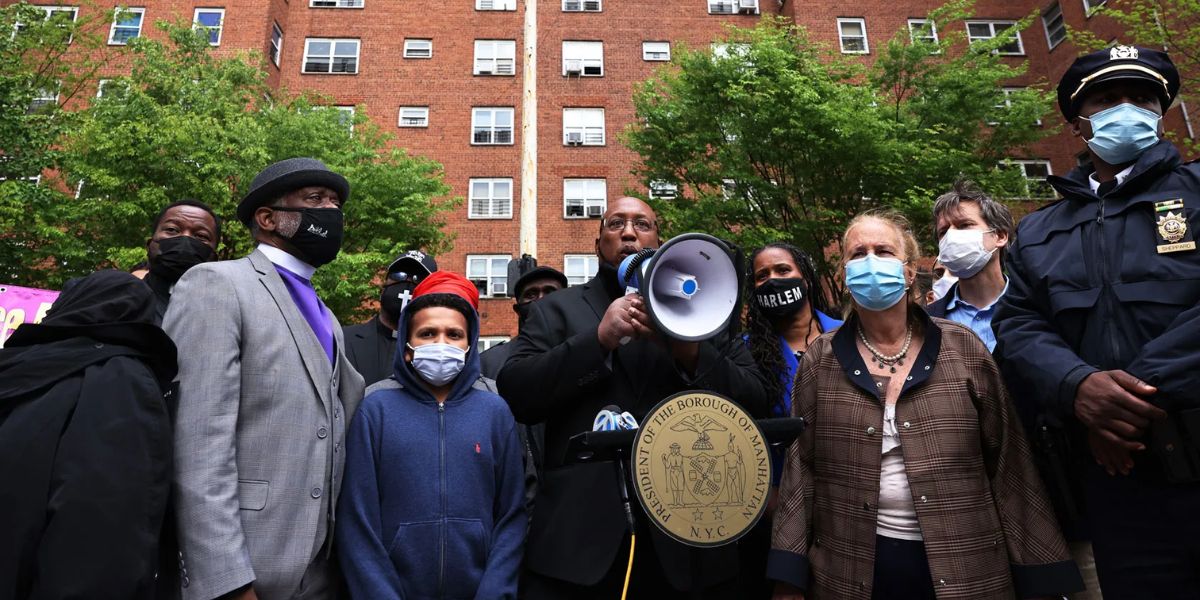
El Paso, TX – In the heart of El Paso, where community bonds run deep and churches anchor neighborhoods, local faith groups are stepping into a vital new role — not just as places of worship, but as frontline partners in violence prevention. Across West Texas, congregations are using compassion, trust, and outreach to bridge divides, calm tensions, and help restore peace where street violence once thrived.
Faith and Safety: A Long-Standing Connection
Faith-based organizations have always been at the center of community life, offering spiritual guidance and humanitarian aid. But in recent years, many have expanded their mission to include violence prevention and intervention work.
Table of Contents
These groups operate under a shared belief: preventing violence begins with human connection. When people feel seen, valued, and supported, they are less likely to resort to aggression or retaliation.
As Daniela Ramos, a violence prevention strategist based in El Paso, explains:
“Faith leaders have credibility that few others do. When they speak about peace, forgiveness, or second chances, people listen — especially in neighborhoods where trust in government or law enforcement may be low.”
Churches as Safe Spaces
Many El Paso churches now serve as safe havens for at-risk youth, victims of violence, and families in crisis. These spaces offer more than shelter — they provide belonging.
- Mentorship programs connect teens with community elders and volunteers who offer life skills and emotional support.
- Conflict mediation sessions help families address domestic disputes before they escalate.
- Faith-based counseling provides trauma recovery for individuals affected by violence or loss.
For many residents, a pastor, imam, or priest may be the first person they confide in after experiencing conflict or fear. Recognizing this, local clergy are receiving training in trauma-informed care and de-escalation, enabling them to respond safely and effectively.
Collaborative Prevention Initiatives
El Paso’s faith community is not working alone. Churches and mosques are increasingly joining forces with law enforcement, schools, and social service agencies to create coordinated prevention networks.
The Faith & Safety Partnership of El Paso County is one such initiative. It brings together local clergy and police to identify community hotspots, organize neighborhood peace walks, and offer mediation when tensions arise between rival groups.
In 2024, this partnership reported a 17% reduction in retaliatory violence in several target neighborhoods. Police officials credit the success to the unique access and trust that faith leaders bring to their congregations.
“When a priest or pastor shows up after a shooting, people open their doors. That trust can prevent the next tragedy,” Ramos says.
Spiritual Healing and Trauma Recovery
Faith-based programs are also focusing on emotional and spiritual healing, recognizing that violence is often rooted in unresolved trauma. Sermons, workshops, and community circles now address topics like anger management, grief, and forgiveness — issues once considered private but now central to community well-being.
Organizations like Peace in the Pews and Restoration El Paso host weekly support groups for families impacted by gang violence, helping them rebuild stability and resilience. These gatherings blend prayer with practical support such as access to housing, counseling, and food resources.
Youth Empowerment Through Faith
Faith leaders are also taking a proactive role in youth outreach. Through sports leagues, music programs, and after-school clubs, they’re helping young people build positive identities and peer networks outside the streets.
At St. Mark’s Community Church, volunteers run a youth mentorship program that pairs teenagers with adults who’ve successfully left gang life. The focus is on redemption and purpose, teaching that strength comes not from dominance but from service.
“We don’t preach at them,” says a volunteer mentor. “We walk with them. We show that peace is possible — and that they matter.”
Overcoming Challenges
Despite their successes, faith-based organizations face limitations. Many operate on small budgets and volunteer staff, making it difficult to sustain long-term programs. In some areas, there are gaps in coordination between religious groups and public agencies, limiting the scale of their impact.
Yet, the momentum continues to grow. Local nonprofits are helping train clergy in grant writing and data tracking, ensuring that their contributions to public safety are recognized and funded.
Faith as a Force for Peace
El Paso’s experience shows that violence prevention is not just a policy goal — it’s a moral commitment. By drawing on values of compassion, accountability, and hope, faith groups are doing more than saving lives; they’re restoring communities.
As Ramos notes,
“When faith leaders stand up for peace, they remind people that healing isn’t just possible — it’s already happening. Every act of kindness, every conversation, every prayer shared in these spaces pushes violence further away.”
What do you think?
Have you seen faith-based organizations making a difference in your community? Share your thoughts or local experiences in the comments below and explore more stories of prevention at reachviolenceprevention.org.